
Abdulsalami Revisits Final Hours Before Abacha’s Death, Says Events Raised Unanswered Questions
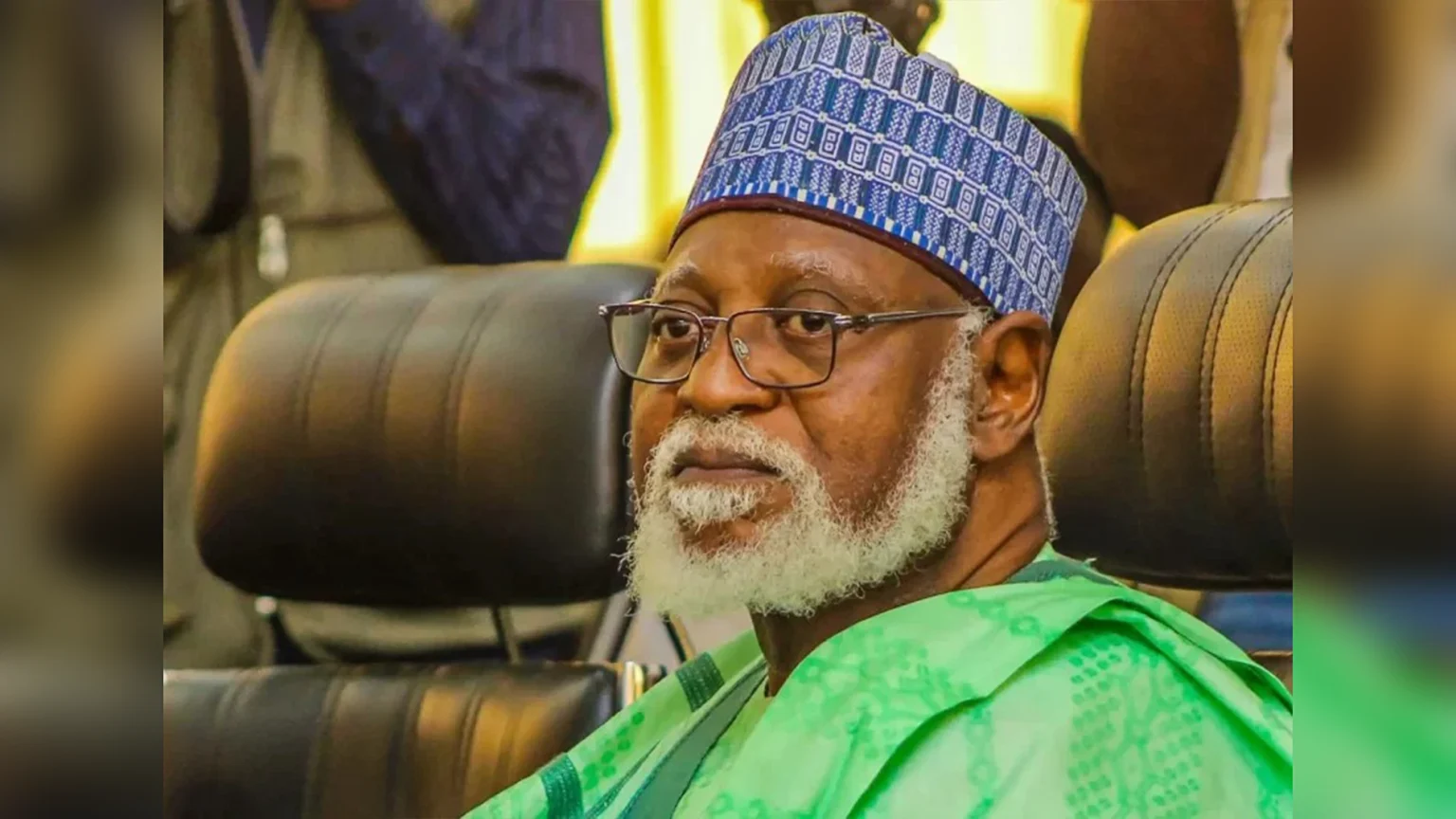
Former Nigerian Head of State, General Abdulsalami Abubakar (retd.), has shared new reflections on the final hours surrounding the death of General Sani Abacha, describing the circumstances of that day as unusual and leaving him with questions that remained unresolved.
According to details contained in Abdulsalami’s autobiography presented publicly in Abuja, the former military leader recalled events of June 8, 1998, and suggested that developments inside the Presidential Villa created a lasting impression that something was not entirely normal. However, what we found out is that the account focuses less on presenting conclusions and more on describing moments he considered unusual before and after Abacha’s death became known.
The reflections appear in Call of Duty, Abdulsalami’s autobiography released during events marking his 84th birthday.
In his account, Abdulsalami explained that the day began with expectations surrounding possible official assignments and discussions concerning his military future after decades of service.
He recalled receiving early communication that suggested changes were approaching and believed retirement from active service might be imminent.
Later, another message reportedly instructed him to proceed to meet the then Head of State.
According to him, the urgency of the invitation led him to leave without formal military attire and head directly to the Presidential Villa.
Upon arrival, however, events reportedly unfolded differently from previous visits.
He explained that after arriving at the residence area, he was instructed to remain in a waiting room.
Shortly afterward, the late Chief of Army Staff, Lt-Gen. Ishaya Bamaiyi, also joined him.
Abdulsalami stated that both men remained there for an extended period and eventually realised the room had apparently been locked from outside.
He described becoming increasingly uncomfortable with the unusual circumstances and sensing that something unexpected had happened.
According to his account, it was later the Inspector-General of Police at the time who informed them that General Abacha had died.
Abdulsalami recalled being shocked by the announcement and subsequently requesting to see Abacha’s body before leaving the room.
He described the atmosphere that followed as tense and quickly shifting toward discussions about continuity of government and preventing a leadership vacuum.
The autobiography also reflects on internal conversations among senior officials and military figures during that period.
Abdulsalami suggested that some individuals appeared more focused on succession arrangements than immediate ceremonial responsibilities surrounding the late Head of State.
According to his account, attention soon turned toward selecting a successor and maintaining stability.
As the senior military officer present within the existing structure, Abdulsalami explained that he later chaired discussions involving members of the Provisional Ruling Council.
He recounted how debates continued before temporary suspension to allow burial arrangements to proceed.
The former leader further suggested that political manoeuvring intensified during that period and described concerns that certain groups had already begun advancing preferred succession outcomes.
According to his account, several senior officers and decision-makers eventually participated in consultations that led to a leadership transition.
He stated that the process ultimately resulted in his emergence as Head of State.
Abdulsalami would later oversee Nigeria’s transition from military administration to civilian democratic rule and hand over power in 1999.
With the release of his memoir, the former leader has added fresh personal reflections to one of the most discussed moments in Nigeria’s political history, reviving public interest in events surrounding the transition that shaped the country’s democratic era.