
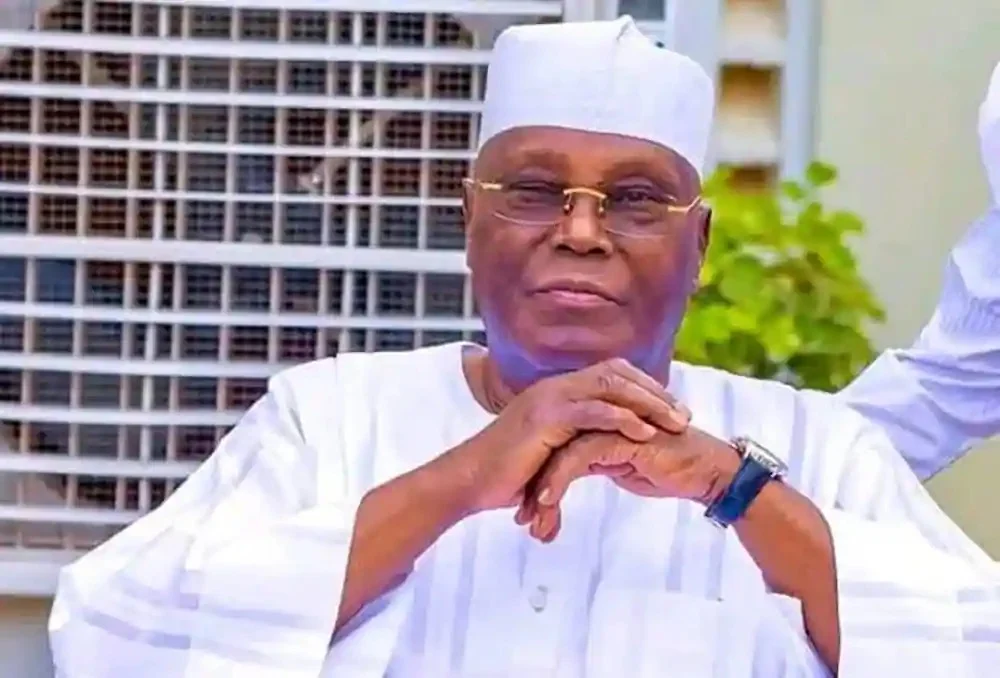
Atiku Questions Fresh ₦4tn Power Debt Plan, Demands Full Disclosure on Previous Interventions
Former Vice President Atiku Abubakar has criticised the Federal Government’s latest move to raise additional funds for settling obligations in Nigeria’s power sector, arguing that new borrowing should not proceed without a clear explanation of how earlier interventions were managed.
According to a statement released through his media team, Atiku raised concerns over what he described as a repeated cycle of debt accumulation aimed at addressing the same challenges in the electricity sector. However, what we found out is that his argument centres largely on transparency, public accountability and whether previous financial interventions achieved their intended objectives.
The former Vice President questioned why government authorities continue to introduce fresh debt-settlement initiatives while concerns remain over unresolved obligations in the sector.
He argued that Nigerians deserve clear information regarding funds previously raised and how those resources were allocated.
In his remarks, Atiku referenced earlier announcements connected to efforts to stabilise electricity supply and settle outstanding liabilities owed within the energy market.
According to him, multiple interventions had been presented as major steps toward restoring confidence in the sector.
He pointed to previous bond arrangements introduced for clearing obligations owed to electricity generation companies and gas suppliers.
Atiku argued that despite those initiatives, concerns remain over whether expected outcomes were fully achieved.
The former Vice President also referred to reports suggesting that portions of previously announced financial arrangements had not yet translated into complete settlement of obligations.
Based on those concerns, he questioned whether introducing additional borrowing without full disclosure would address the underlying challenges.
He maintained that public confidence in reform efforts depends not only on policy announcements but also on measurable accountability.
Atiku further argued that government performance should be assessed through transparent reporting and evidence of implementation rather than repeated declarations.
According to him, citizens should have access to information showing how much was raised, how funds were managed and what obligations remain outstanding.
Using an analogy to explain his position, he suggested that repeatedly returning to solve the same problem without explaining earlier solutions raises questions that deserve public answers.
The former Vice President also warned against creating a pattern where new debt repeatedly replaces unresolved financial commitments.
He argued that such an approach could deepen concerns about sustainability and weaken trust in public financial management.
Atiku linked the issue to broader challenges facing the electricity sector and noted that businesses and households continue to experience the consequences of unstable power supply and rising energy costs.
According to him, the impact extends beyond government finances and affects productivity, competitiveness and everyday living conditions.
He therefore called for a detailed breakdown of previous interventions before any additional borrowing programme moves forward.
Among the disclosures requested were figures showing funds raised, payments made, liabilities settled and explanations for remaining obligations.
Atiku maintained that greater openness would strengthen public confidence and improve support for future reforms.
At the time of reporting, there had been no official response from the Federal Government regarding the latest concerns raised.
Nigeria’s electricity sector has faced longstanding liquidity and financing challenges over the years, with successive administrations introducing intervention programmes aimed at improving stability and encouraging investment.
Debates around transparency, sustainability and effective implementation continue to remain central to discussions about the future of power sector reform.