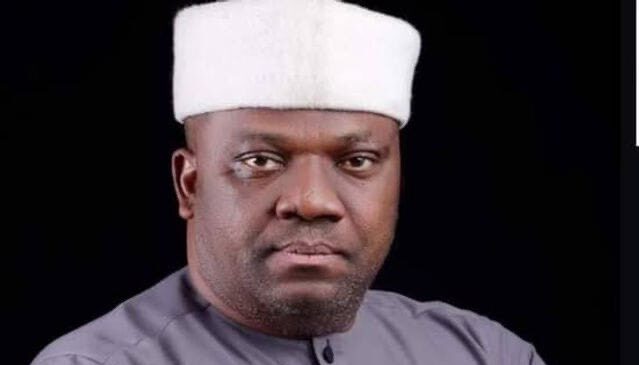
Peter Obi and the Challenge of Building Lasting Political Structures in Nigeria
Former Anambra State Governor Peter Obi remains one of Nigeria’s most popular political figures, especially among young voters and urban professionals. However, critics continue to argue that his political journey since leaving office has exposed significant weaknesses in building durable political structures capable of sustaining long-term influence.
Since completing his tenure as governor, Obi has remained active in national politics, moving across different political platforms while maintaining a strong personal following. Yet questions persist regarding his ability to establish enduring political institutions that can survive beyond his individual popularity.
Political observers often point to the importance of strong grassroots structures in Nigerian politics. Effective political organizations typically maintain active ward executives, local government networks, youth and women wings, fundraising mechanisms, and clear succession plans that allow the organization to function independently of a single leader.
Critics argue that Obi left office in Anambra without establishing such a durable political machine. This has become evident in several governorship elections where candidates associated with him failed to secure victory despite his active involvement in their campaigns.
During the 2017 Anambra governorship election, Obi supported Oseloka Obaze. Despite Obi’s influence and experience in the state, the campaign failed to produce the desired result. Many analysts attributed the defeat partly to weak grassroots structures and insufficient local mobilization.
A similar situation emerged during the 2021 governorship election when Valentine Ozigbo contested under the Peoples Democratic Party. Although the campaign attracted considerable attention and enjoyed Obi’s support, the candidate was unable to secure victory.
These repeated setbacks have led some critics to question whether personal popularity alone can substitute for well-established political structures capable of delivering electoral success.
Questions have also been raised about Obi’s relationships with political parties. Over the years, he has been associated with multiple political platforms, often leaving after disagreements over internal party processes and leadership decisions.
Supporters argue that his departures were driven by principles and concerns over internal democracy. Critics, however, believe the pattern reflects difficulties in working within existing party structures and sharing influence with other stakeholders.
Building a successful national political party requires years of organization, membership recruitment, leadership development, fundraising, and coalition building across different regions. Such institutions often survive beyond individual politicians and continue functioning regardless of leadership changes.
Political analysts note that Nigeria’s presidential elections require broad national alliances, strong grassroots networks, and the ability to maintain party unity across diverse regions and interests.
Despite his impressive performance during the 2023 presidential election, some observers believe Obi still faces challenges in transforming his personal support base into a permanent political structure capable of winning elections consistently across the country.
Supporters maintain that his message of accountability, transparency, and good governance continues to resonate with millions of Nigerians, especially younger voters seeking political change.
However, critics argue that successful national leadership requires more than popularity and public goodwill. They believe it demands the ability to build institutions, nurture successors, maintain political alliances, and sustain organizations that function effectively even in the absence of the principal leader.
As discussions about the 2027 presidential election gradually emerge, debates over political structure, party organization, and leadership capacity are expected to remain central to Nigeria’s political landscape.
Whether Peter Obi can convert his substantial personal following into a lasting political institution remains one of the major questions that may shape the future of opposition politics in Nigeria.