
Peter Obi Says He Is Ready to Sacrifice for Nigeria Amid Security Concerns
Presidential hopeful Peter Obi has said he is prepared to make personal sacrifices for Nigeria, arguing that leadership requires courage, commitment and readiness to confront national challenges directly.
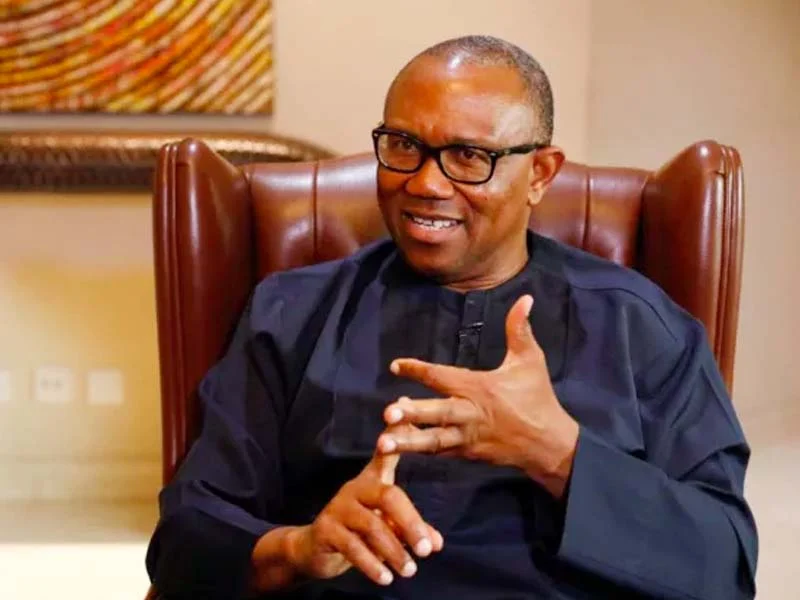
During a recent interview discussing governance and security issues, Obi reflected on the responsibilities of political leadership and the difficult choices required to address the country’s security concerns. However, what we found out is that his remarks centred less on operational details and more on his belief that leadership begins with personal commitment and accountability.
Responding to questions about insecurity, including kidnappings, attacks on schools and violence affecting communities, Obi emphasised that restoring public confidence requires determined leadership and a willingness to take responsibility.
According to him, addressing insecurity is not only about deploying resources but also about sustaining commitment and ensuring government authority remains effective.
Drawing from his experience as a former governor of Anambra State, Obi said his administration previously implemented measures aimed at reducing criminal activities and strengthening public safety.
He argued that governments must demonstrate clear authority and maintain consistent strategies if they intend to reduce insecurity and protect citizens.
Speaking on the responsibilities attached to public office, Obi maintained that leaders should be willing to place national interest above personal comfort.
He suggested that occupying positions of authority comes with obligations that require difficult decisions and long-term commitment.
During the discussion, Obi made comments emphasising his willingness to remain committed to Nigeria regardless of challenges facing the country.
He described his connection to Nigeria as personal and stated that public service should reflect dedication to national development.
The remarks come at a time when conversations around security continue to dominate national discourse.
Recent incidents involving abductions, attacks on communities and concerns over public safety have intensified calls for stronger responses from government institutions and security agencies.
Observers note that security and governance are expected to remain central themes ahead of future political contests as candidates present different approaches to national challenges.
Obi also spoke about Nigeria’s historical role in peace support operations across Africa and other regions, arguing that the country has previously demonstrated strong military and institutional capabilities.
According to him, rebuilding confidence requires leadership that combines vision with action.
His comments have generated reactions across political circles, with supporters viewing them as a demonstration of commitment while critics continue to demand clearer policy proposals and measurable security plans.
As discussions around governance and national development continue, security remains one of the issues expected to shape political conversations in the months ahead.
For many Nigerians, expectations remain focused not only on political declarations but also on practical approaches that can improve safety, strengthen institutions and support long-term national stability.