Soludo’s Aide Criticises Peter Obi Over Comments on Nnamdi Kanu’s Case
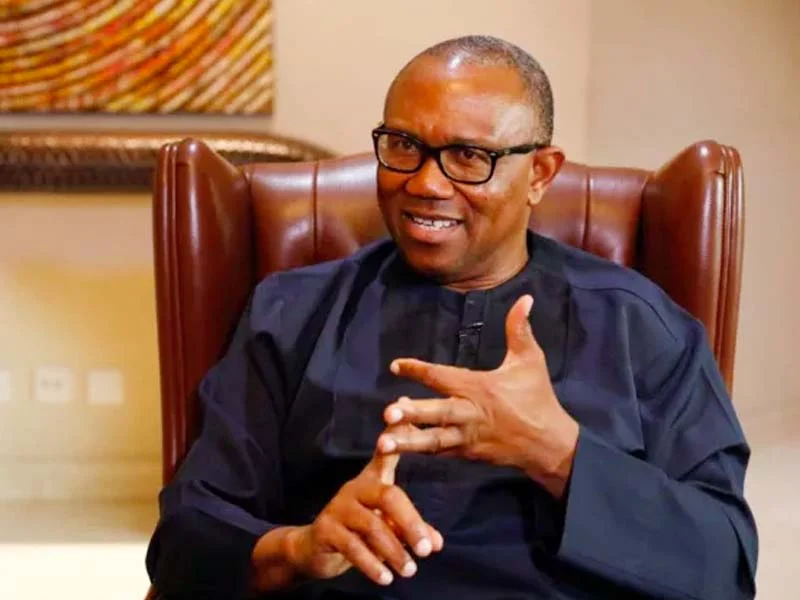
Fresh political reactions have emerged following remarks made by former Anambra State governor and presidential candidate Peter Obi concerning the continued detention of Indigenous People of Biafra leader, Nnamdi Kanu.
Reports over the weekend indicated that Obi, during an interaction with Nigerians in Washington, D.C., reiterated his long-held position that Kanu should no longer remain in custody. However, what we found out is that the comments have generated criticism from officials within the Anambra State Government, who argue that such statements undermine ongoing judicial processes.
Reacting to Obi’s remarks, Ejimofor Opara, Special Adviser on Media to Anambra State Governor Chukwuma Soludo, questioned the appropriateness of the comments and suggested they reflected poorly on institutions responsible for judicial decisions.
According to Opara, public figures should demonstrate greater caution when speaking on matters that have passed through legal processes.
He argued that Obi’s political history includes moments where judicial institutions played significant roles and therefore called for greater respect toward court decisions.
Opara also linked his criticism to international legal processes, referencing proceedings outside Nigeria involving individuals associated with separatist discussions.
He maintained that legal institutions should not be publicly dismissed where decisions have followed established procedures.
The adviser further argued that political messaging around sensitive legal matters should avoid creating impressions that judicial outcomes can be disregarded for political advantage.
According to him, leaders preparing for future elections should focus on strengthening institutions rather than making statements that may be interpreted as weakening public confidence in them.
He also suggested that transparency measures adopted during high-profile legal proceedings were intended to improve public understanding and reduce speculation.
The comments came after Obi reportedly restated his position that continued detention was not justified and emphasised that he had consistently maintained that view.
His remarks quickly circulated across social media platforms and generated mixed reactions among supporters and critics.
Supporters of Obi viewed the comments as part of broader conversations around dialogue, justice and national unity, while critics argued that public discussion should respect judicial outcomes and ongoing legal mechanisms.
Meanwhile, the case surrounding Kanu continues to remain one of the country’s most closely watched political and legal issues.
Following previous court proceedings, legal representatives associated with the matter have continued pursuing available legal options and appeals.
Public debate around the issue has remained active across political, legal and civic spaces.
The latest exchange reflects wider disagreements over how political leaders should engage with sensitive national matters that intersect law, governance and public opinion.
As conversations continue, attention remains focused on future legal developments and how public figures navigate discussions around institutions, accountability and national cohesion.