Sowore: Nigeria Has Never Truly Become a Democratic Nation
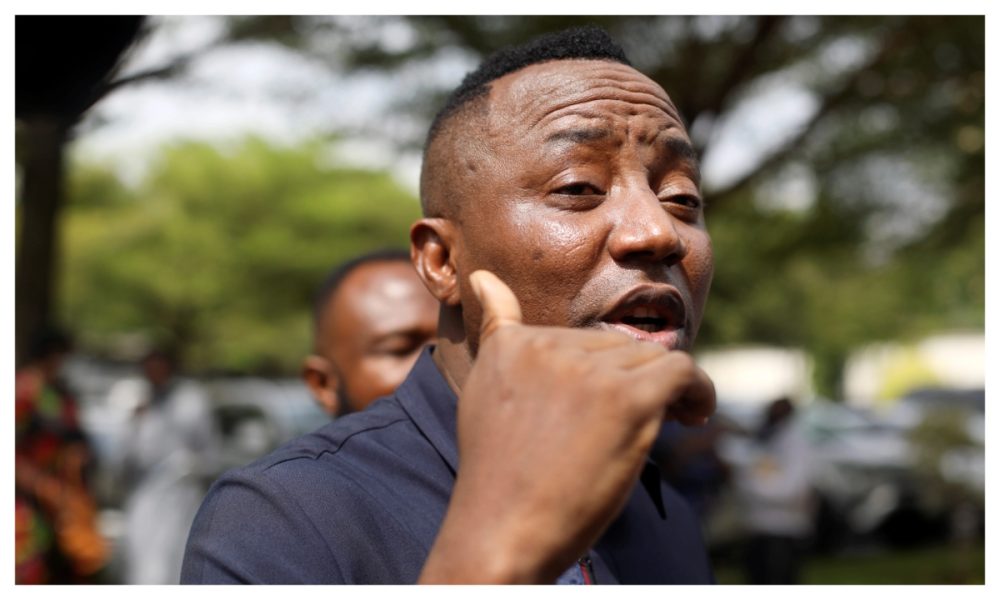
Former presidential candidate of the African Action Congress (AAC), Omoyele Sowore, has declared that Nigeria is yet to become a genuine democratic nation, arguing that the country merely transitioned from military rule without embracing the core principles of democracy.
Sowore made the remarks during an interview on Arise Television’s Prime Time shortly after regaining his freedom from the Kuje Correctional Centre, following his release on a ₦200 million bail granted by a Federal High Court in Abuja.
The activist is currently facing charges over alleged defamation of President Bola Tinubu, a case that has continued to attract widespread public attention and debate over freedom of expression in Nigeria.
Speaking during the interview, Sowore maintained that Nigeria’s political system still falls short of democratic standards despite more than two decades of civilian rule.
According to him, the country’s transition from military government did not automatically translate into democracy because many of the institutions and legal frameworks inherited from the military era remain in place.
He argued that the constitution handed over by the military lacked broad public participation, insisting that Nigerians were never given the opportunity to decide how they wanted to be governed.
Sowore also criticized what he described as increasing restrictions on free speech, saying democracy cannot thrive where citizens fear expressing their opinions or criticizing those in authority.
He stressed that freedom of expression should be protected by law and not determined by the preferences of those occupying public office.
According to him, if the law permits citizens to speak truth to power, no government or political leader should prevent individuals from exercising that constitutional right.
The AAC leader further alleged that the legal actions against him are aimed at punishing dissent rather than ensuring justice, insisting that he has not been convicted of any offence.
His comments have reignited conversations about civil liberties, constitutional reforms, and the state of democracy in Nigeria as political activities gradually build ahead of the 2027 general elections.